For this particular collection Freger visited 18 countries in Europe to find the mythological being of the "Wild Man" and humans fascination with myths, rituals and trait ion - in each country Freger went to capture each cultures version on the "Wild Man" and to learn what they were used for and the significance to each culture.
A board definition and description of a Wilder Mann is a large, ugly, mythical beast who characsitically has large horns and is covered in fur, a demonic looking face with fangs and a terrifying expression - they are often used in folk-law as cautionary tales and antagonists in stories. They normally have a specific festival/season that they 'appear' in and are used in annual festivals as a form of tradition and they become a part of that societies culture.
I love this collection of photos since I personally find this kind folk art very interesting because despite these collection of photos were taken were in different cultures and the way Freger has photographed the costumes had made them seem as if they were all a part of on culture (to me at least.) I defiantly will use this as some reference for when I finally start to add some detail on my mask.
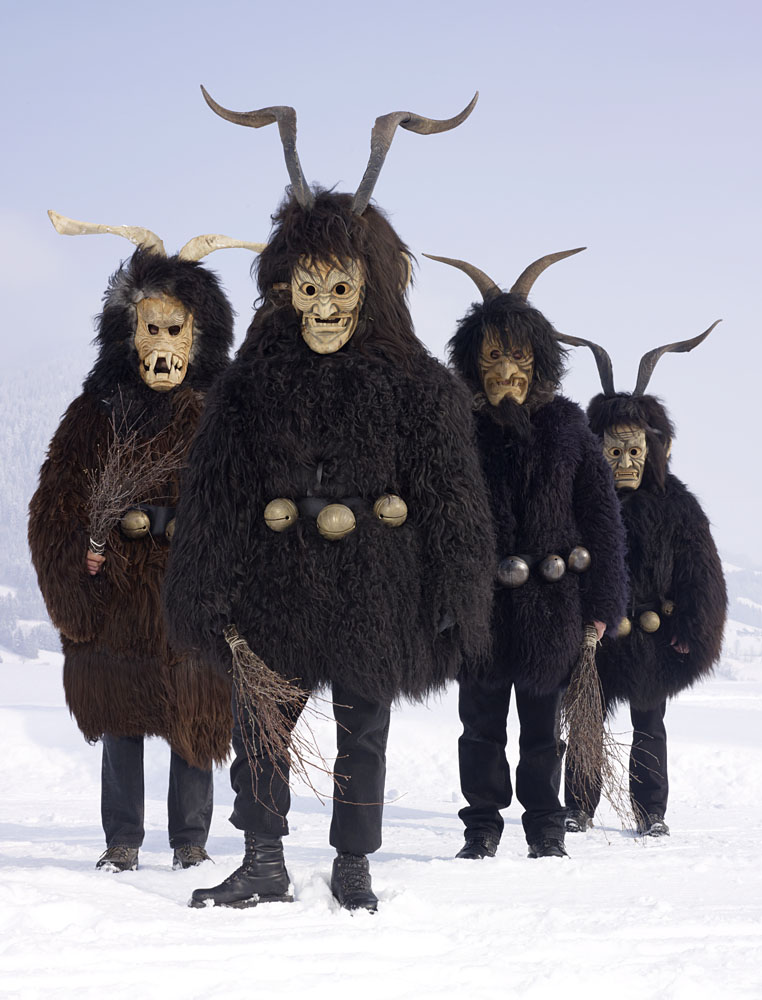 |
| Krampus - Alpine Folk-law (Romanian, Croatian, Bosnian etc) a beast-like creature that punished misbehaving children during the Christmas period, to be the contrast to St. Nicholas who gave rewards to well behaved children. They carry sticks to give to children instead of toys and they wear chains an bells to alert and scare the children of their presence. |
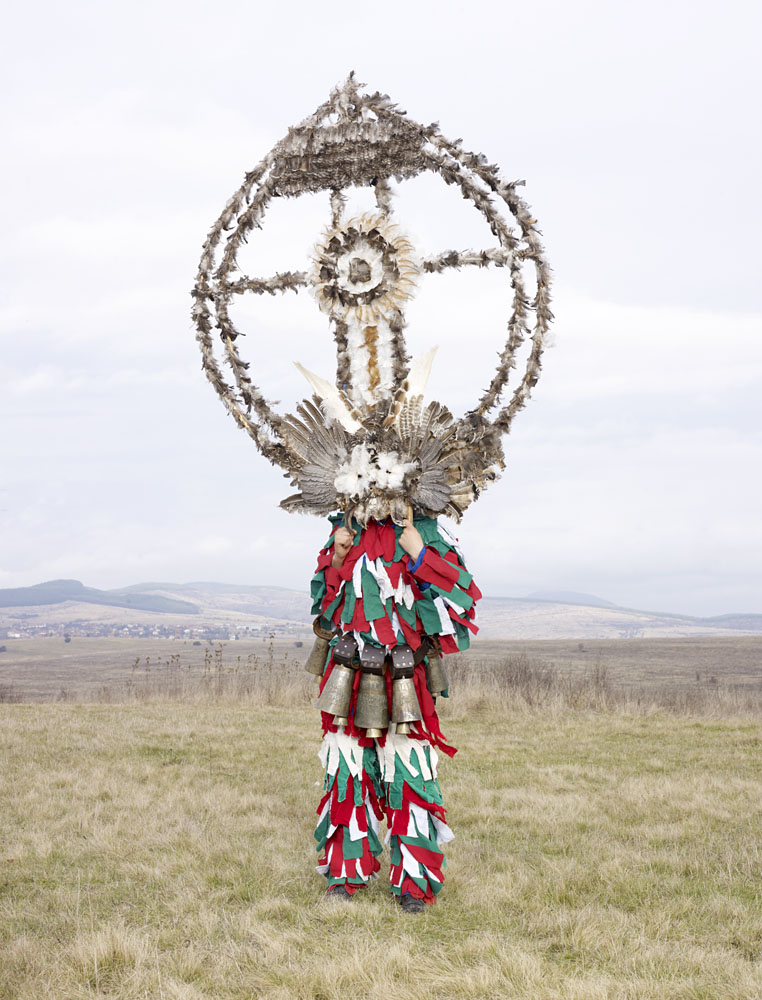 |
| Survakari - Costumes from an Bulgarian Pagan festival performed each winter to clear away evil spirits. |
 |
| Dziady Macinulla |
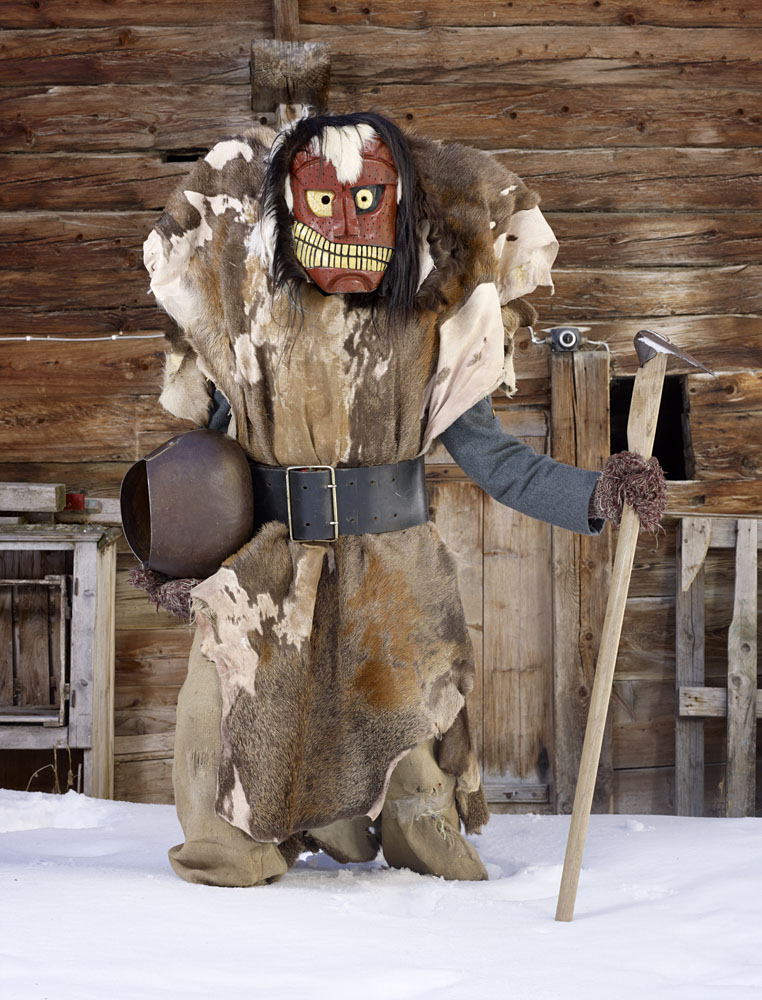 |
| Tschaggatta - Swiss Origin, translated to "witch," "simple minded woman," or "be amazing" are monstrous characters that you see in the streets in Lotschental during carnival in Switzerland. Legend goes that young men disuse themselves as monsters to frighten and rob civilians, they also pour ashes over their victims heads (soot in modern day recreations) - this was a very violent festival which has had laws been created specifically to content the violence that this festival could create. |
 |
| Cerbul din Corlata - Romanian Mythology, the stag is often the central character in folk plays and is always surrounded by dancers who will resurrect him after it has been slain in some sort of ritual. |
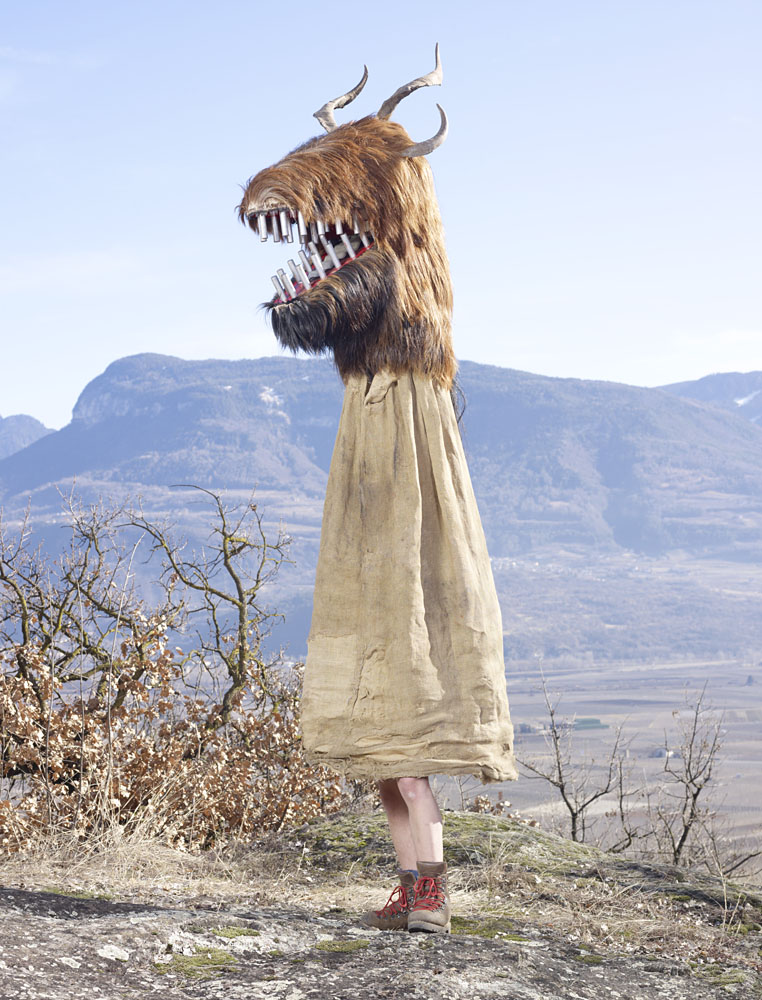 |
| Schappviecher - Italian, this version of Wild Man is to appear on Shrove Tuesday to spread terror in the village of Tramin. |
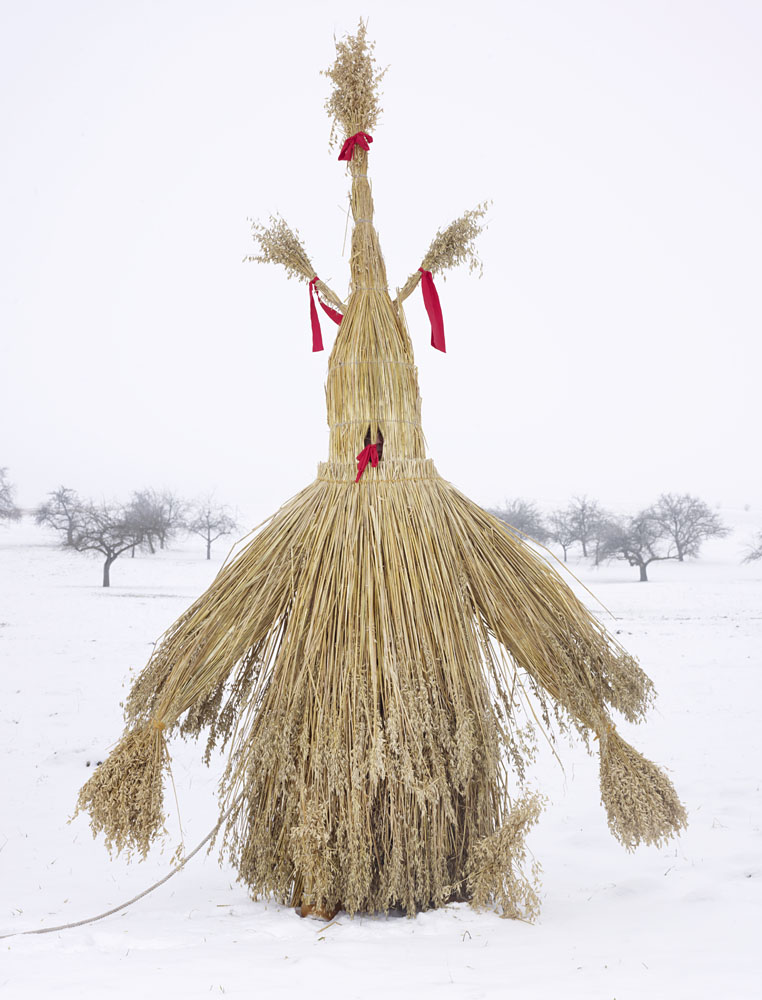 |
| Strohmann - German Mythology. Has been interpreted as a Wild Man and is a personification of lust and a symbol of winter. |

No comments:
Post a Comment