A definition of Folk Art is "Art produced from a culture, often by peasants or labouring tradespeople. Folk Art is primarily utilitarian and decorative rather than purely aesthetic."
Although 'peasants' and 'labouring tradespeople' is a bit outdated for today, Folk Art is created by the working class or amateur artists which is used to be decorative and for a particularly item/reason and is unique and different to every culture and often cross over with tribal and traditional art of that culture. Since folk art has such humble roots, it is not influenced or motivated by art movements/art circles and excludes work by fine art practitioners which is considered 'High Art' - so folk art is considered 'Low Art.'
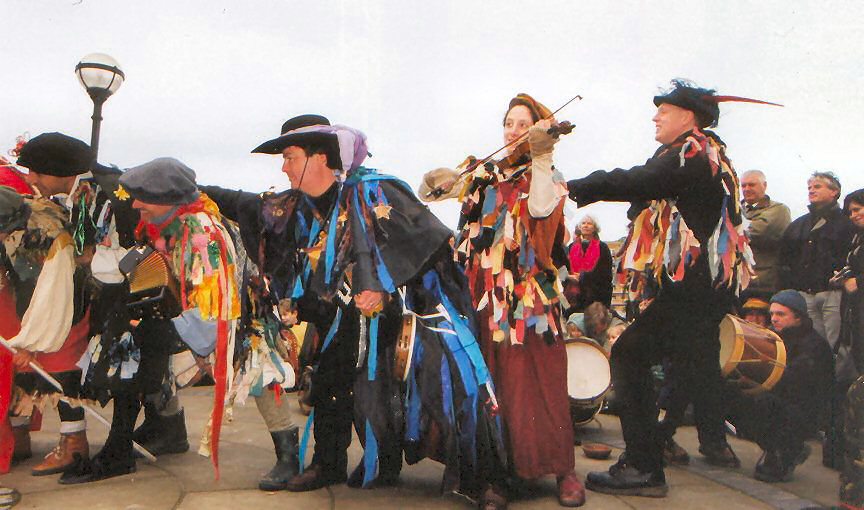
Mummers Plays
Mummers Plays are traditional and seasonal folk plays performed by a group of local amateur actors in key times of the year mainly Christmas, originally started in the Medieval England which spread out internationally, Mummering also had roots in German and French Carnival customs.
The playas are mainly comedic but have underlying themes of duality and resurrection which involve a battle between two characters and a doctor with a magical potion to resurrect the slain character - these themes of resurrection/restoring of life would have been popular in the 14th century since these themes were closely related with the Catholic faith and the mummers plays would have been used to communicate these to a largely illiterate peasantry, also witchcraft was a still largely believed in the 14th century so it would have been also influenced the magical themes in the plays.
English Mummers plays usually contain a similar hero such as Saint George or Robin Hood etc, also some mummers plays are used to communicate historical battles/events - for example King Edward 4th used a large mummer play to celebrate his 15 year reign anniversary to tell the story of his great victories in during his rule. Also Irish mummers began these plays after the concurring of the Normans and Irish mummers plays were used to spread the word and greatness of King William. (However Ireland have a had a similar tradition to mummers plays from two millennia ago.)


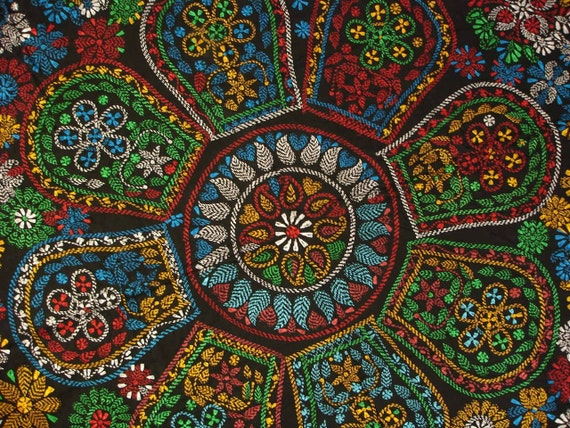
Fabrics


Paintings


3D Objects
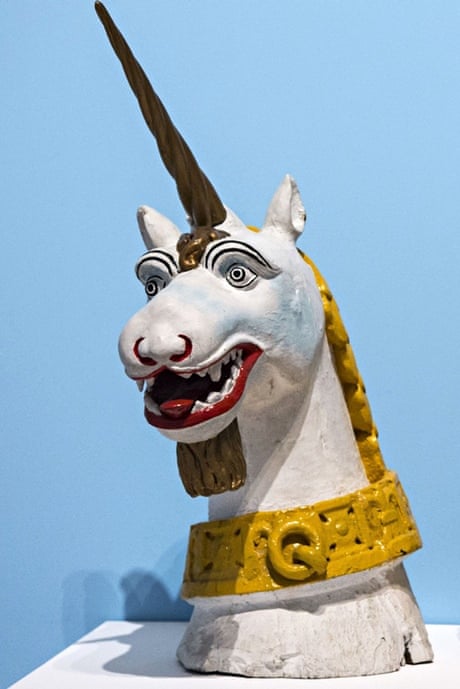


International Folk Art
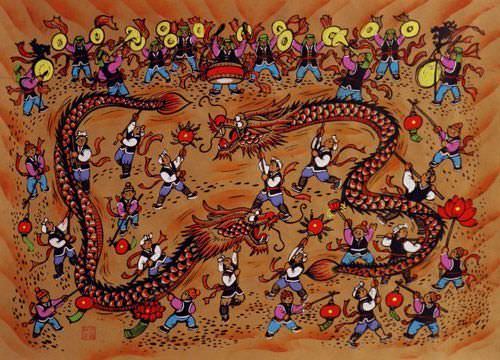

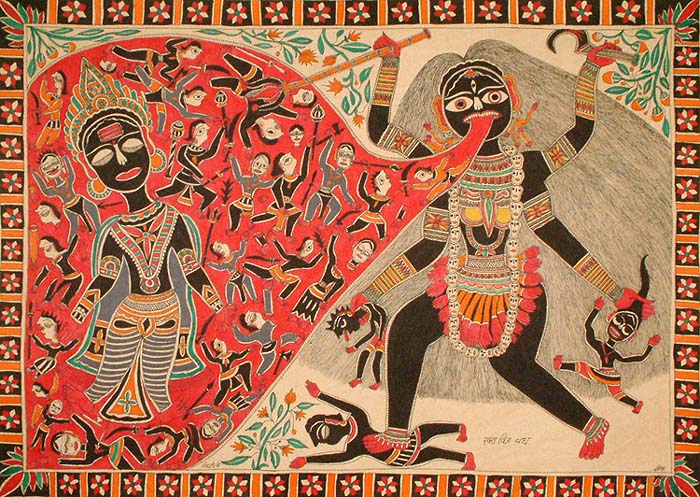

Folk Art Masks
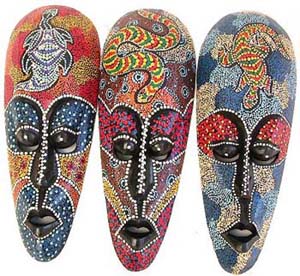
Since our folk art theme is covering not just our body casting work but our face casts as well I looked at different interpretations of folk art on masks - Different cultures used folk art in masks to be used as props in various forms of performance (for example drama, dance and ceremonies) for the common-folk, and was considered a form of 'Low Art.'
 |
| South American |
 |
| Mexican |
 |
| Aboriginal |
 |
| Indonesian |
 |
| Ecuador |
 |
| Indian |
 |
| Mayan |
 |
| Tibetan |
 |
| South Korean |
Artists Research
Mark Herald is a folk artist that studied Natural History Illustration and takes inspiration from the 'flora and fauna' of the British countryside (native plant-life.) His style of folk art and very intricate line-work, patterns and designs with lots of bright colours, but he also as done some stencil design work |
| Red Lion |
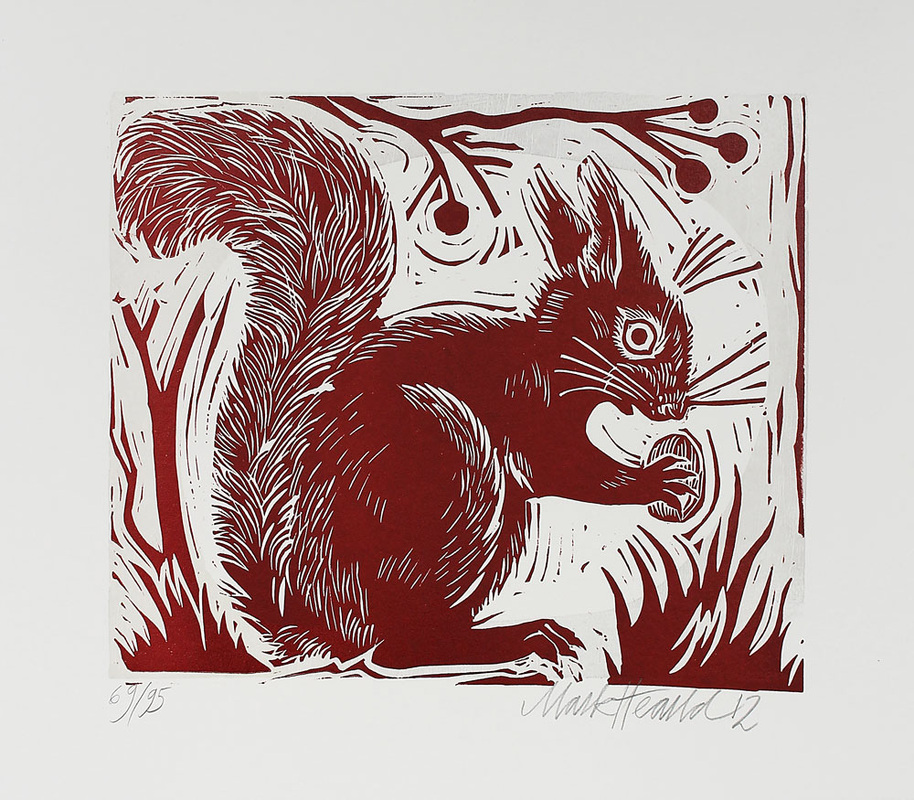 |
| Squirrel |
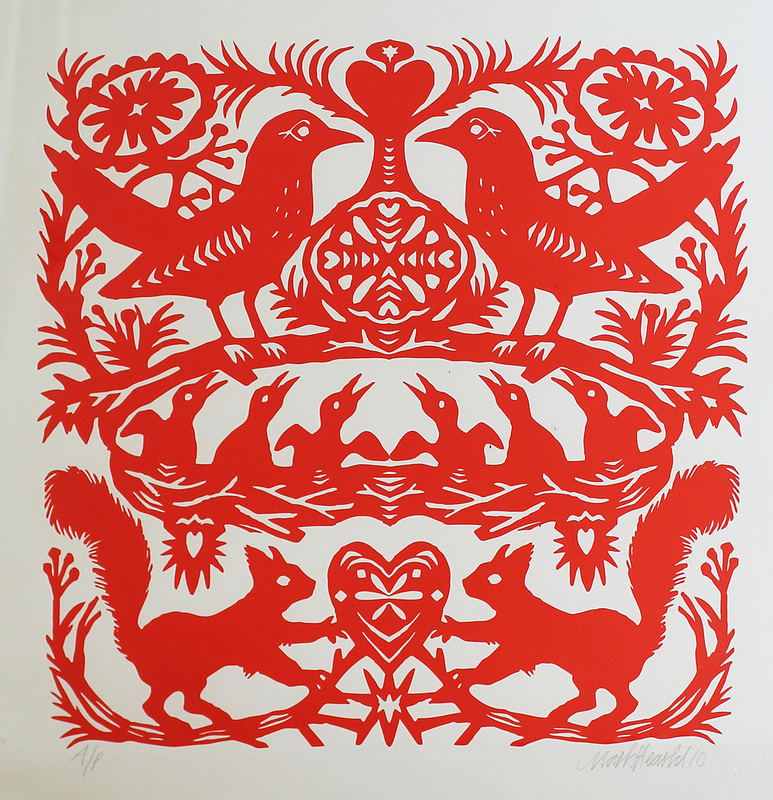 |
| Birds and Squirrels |
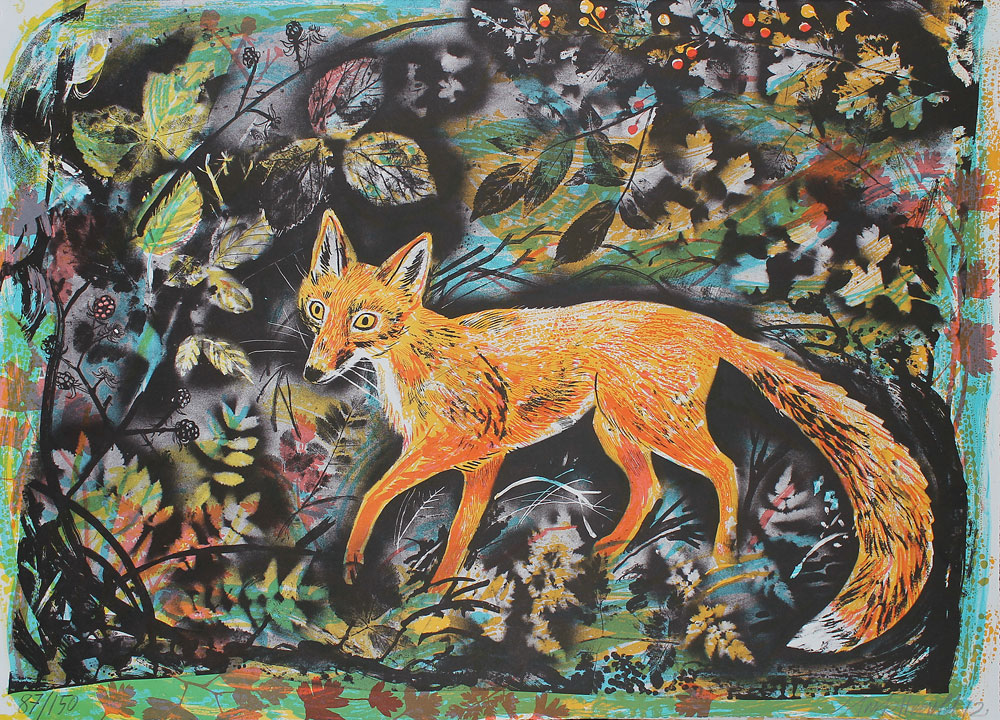 |
| Autumn Fox |
Karel Appeal is an artist I spotted when visiting the Tate Modern, even though he isn't a folk artist specifically the colours and shapes I found in his piece "Hip, Hip, Hooray!" are similar to the folk art that I have been looking at.

Andre Masson, is another artist I saw at the Tate that reminded me of the folk art we were looking at - "The Red Lands and Montagne Sainte Victorie" 1948.

Wassily Kandinsky, "Lake Stranberg" 1908.


No comments:
Post a Comment