Foreshortening is a technique to create the illusion of an object receding strongly into the distance, capturing the distortion that is seen by the eye when looking at the subject at an unusual angle - its all about perspective!
Foreshortening (or the Illusionist Technique) was first used during the Renaissance when the 'Masters' of perspective emerged foreshortening was almost mathematical in how the figure/object was drawn - Paolo Uccello, Vincenzo Foppa and Andra Mantegna was most notable for their in work in the early Renaissance on foreshortening and perspective.
 |
| Perspective Study by Paolo Uccello |
-1465-69.jpg) |
| "Miracle of the Desecrated Host (Scene 2)" by Paolo Uccello, 1465-69. |
 |
| "Martyrdom of St Sebastian" by Vincent Foppa, 1485. |
 |
| "The Lamentation Over the Dead Christ"by Andrea Mantegna, 1490. |
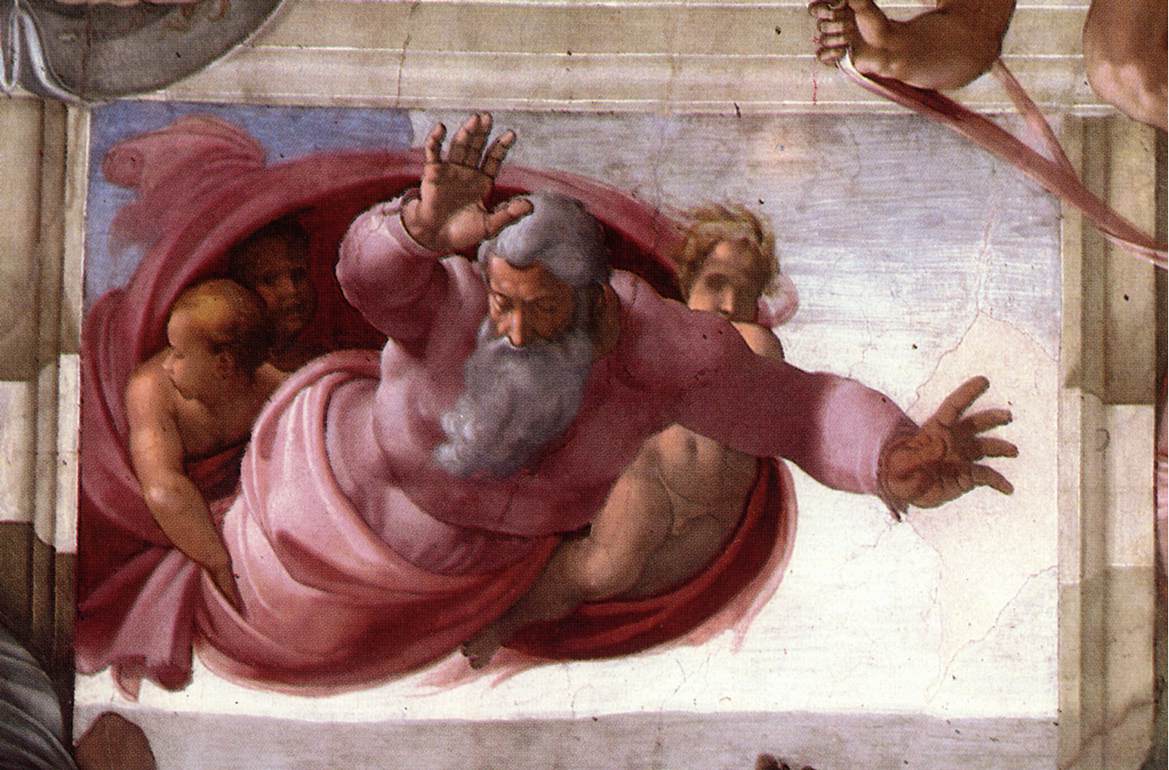
Michelangelo of course was another famous user of foreshortening and perspective later during the High Renaissance who's work in the Sistine Chapel frescoes shows a vast amount of foreshortening, especially in "The Separation of Light from Darkness" which God appears as if he is rising above the viewer by shortening his body.
 |
| The Separation of Light from Darkness |
Another example from the Genesis Fresco would be "The Separation of the Earth from the Water."


No comments:
Post a Comment