Artist were now making art inspired by the rising movie stars, there was a boom in bright and colourful advertisements and comics - the celebrity culture was created by the birth of the golden age of Hollywood came with the growth of celebrity culture came a rise of new advertisements, all of these new popular culture led to the creation of Pop Art.
Its subjects contained, celebrity, comic, cans and cuisine. The style of Pop Art was flat, graphic and colourful, it references the world that people actually lived in and not a fantasy world that was inside paintings of previous artists. The was a new design and creation in household productions and appliances which were brightly coloured new and exciting designs that was a burst of new life after the dull war which just had basic functionally and no indulgence.
There was also a great moral struggles over civil rights in the 60's which the Pop artists were quiet about - white artists considered black cultures as a social abstraction. The fashion, food and dance of African American artists made college work to visually represent black culture that other forms such as music couldn't.
British Pop Art
British Pop Art was very much American orientated, American made American Pop Art and British made American Pop Art, the post-war effects on Britain were not as beneficial as it had been on the U.S - life was drab and dull and so artist focuses on the "American Dream" and the bright an lively colours and images that were coming from America. British Pop Artist also made there work about America since it was much better then what was going on back home, David Hockey left England all together and moved to sunny L.A for the new popular culture.

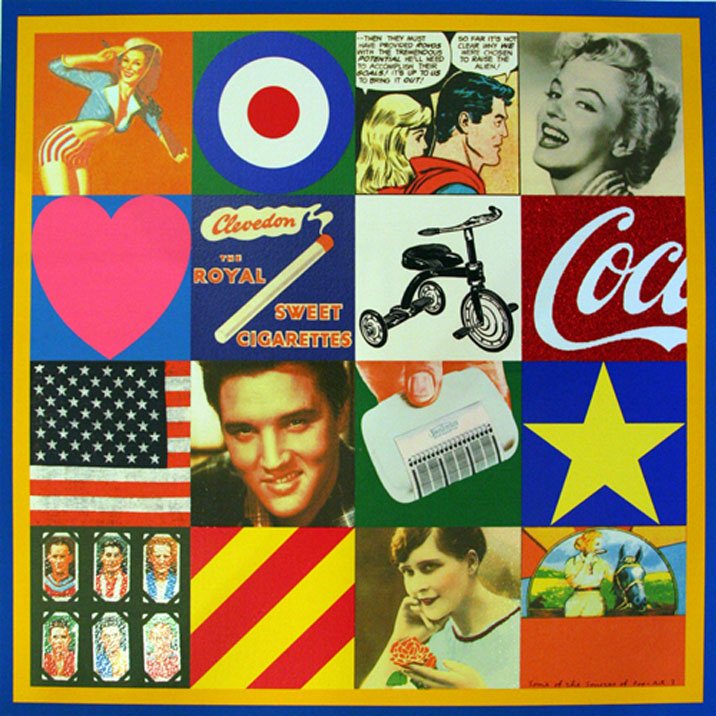
However as well as celebrating the witty, whimsical and can-do nature of the U.S, British artists also questioned all things American, Peter Blake made a "Self Portrait and Badges"1961, showing the influences and growth of American culture on himself and England,


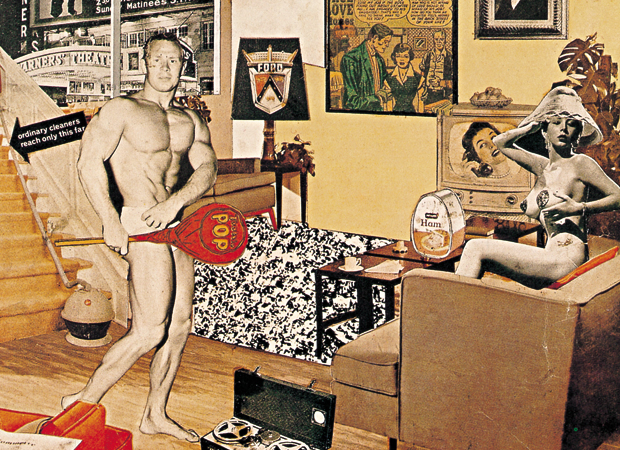
Richard Hamilton - "Just what was is that made yesterdays homes so different, so appealing?" 1992 confronts mass advertising coming to Britain from the U.S.

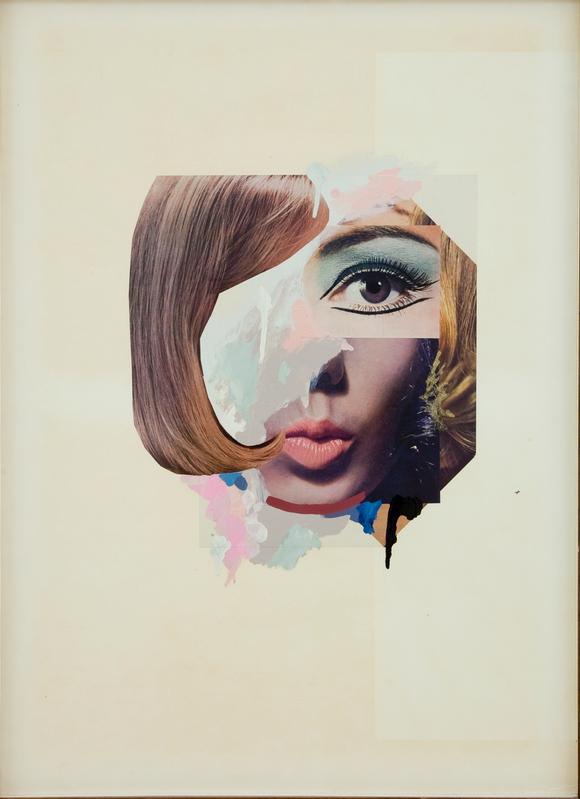
Australian Pop Art was also influenced bu the Americans but also was a reaction to the conservative nature of Australian art and a group emerged called the Annadale imitation realists added random features to there work as a act of defiance to the conservative art world.
Andy Warhol
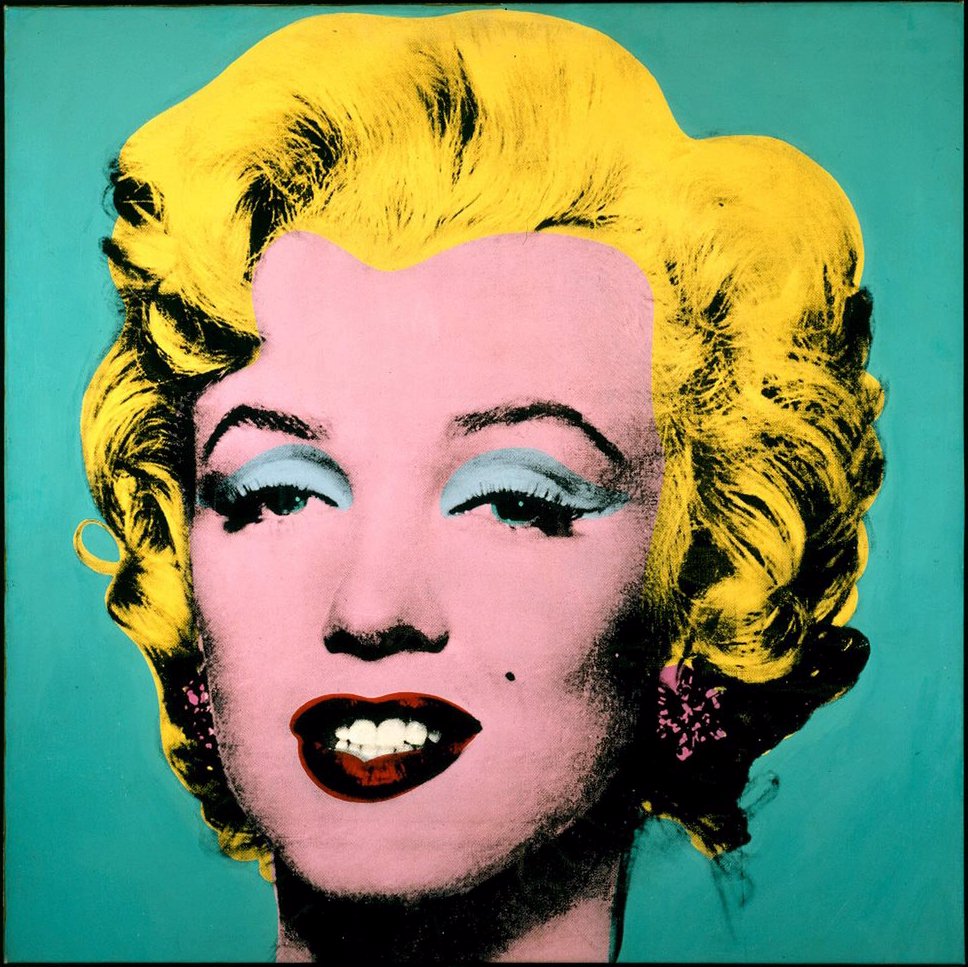
Warhol was extremely interested in art about being famous, death and money and how that art no longer needed to be a real and true but it could be as superficial as you like. He noted that the indulgent consume culture and the celebrity was the new sacred and in his piece "Gold Marilyn Monroe" was a comment on how the celebrity culture was dying - when she died the whole world she stood for died with her "peroxide sex-bomb movie glamour that had more to do with a Cadillac then the new and emerging Volkswagen." it had died and moving on from the past indulgent consume culture.

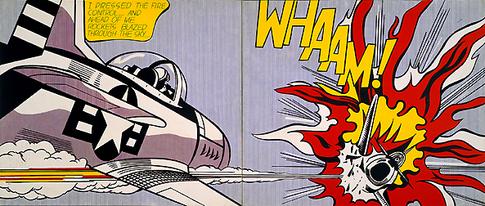
Roy Lichtenstein
Looked at comic strip art, Lichtenstein was set to intimidating the industrial techniques of mass production, the same way that mechanical production imitated the ways of artists in mass printing/screen printing that was now being used as means of advertising - this was called "Parody."

Claes Oldenburg
Made sculptures that blew up everyday objects to large scales in an attempt to question what makes an iconic image in a modern society which embraces mass produced disposable items, too much of anything - he liked simpler food that had architectural prospects and structures that had a very textured surfaces. He made a parody of an art gallery and used cheap material to make these 'things' all that were unwearable/unusable and absurd.


No comments:
Post a Comment